

Luxury beauty has entered a new era. McKinsey now projects the global beauty industry to reach $590 billion by 2030, growing inside a broader $2 trillion wellness economy — and nearly half of consumers already define beauty as “taking care of the mind and body.” The category is expanding. Trust in it is not.
For decades, prestige beauty was built on aspiration, exclusivity, and beautiful storytelling. Those qualities still matter. But after this year’s cycle of intelligence out of Cosmoprof, BeautyMatter, WWD Beauty, and Vogue Business, one pattern is impossible to miss: the brands pulling ahead are not the ones telling the best story. They are the ones that can prove the story is true.
Consumers are more educated, more discerning, and considerably more skeptical than they were even two years ago. Fifty-four percent of beauty executives now name consumer skepticism as a top-line business risk. The 2027 buyer wants brands to earn trust through evidence, and inspire emotion through experience — and she is no longer willing to accept one in place of the other.
Here is where I believe luxury beauty is heading, and what it will demand of the brands that want to lead it.
1. Skincare Becomes Longevity Care
“Anti-aging” is quietly retiring as a marketing term. Luxury consumers no longer want to erase age — they want to understand how their skin functions, and to optimize that function over decades rather than seasons. It’s a small linguistic shift with large financial consequences: the luxury skincare market, valued around $28 billion in 2026, is on track for roughly $37 billion by 2030, while the broader longevity and anti-aging category is projected to more than double by the mid-2030s.
This is capital following credibility, not sentiment. Consumers can now hold a fluent conversation about peptides, exosomes, PDRN, NAD+, postbiotics, and fermentation technology — and they expect a brand to explain, in specific terms, what each ingredient does at the cellular level and why it belongs in that formula.
Luxury skincare is starting to behave like precision wellness. The brands that win will be the ones that can translate real clinical data into an elegant consumer experience without softening it into vagueness
2. Beauty Keeps Merging With Wellness
The walls between skincare, wellness, fragrance, nutrition, and aesthetics are coming down. Today’s affluent consumer does not shop by category. She shops by outcome: more energy, better sleep, improved mood, healthier skin, sharper focus, greater confidence. McKinsey’s research backs this up directly — 44% of consumers now define beauty itself as care for the mind and body, not the face alone.
For luxury brands, this convergence is not a licensing opportunity or a wellness-aisle line extension. It is a redefinition of what the brand is being judged against. A serum is no longer competing only with other serums; it is competing with a client’s sleep app, her Pilates studio, and her nutritionist for a share of her attention and trust.
3. Fragrance Evolves From Luxury to Emotional Technology
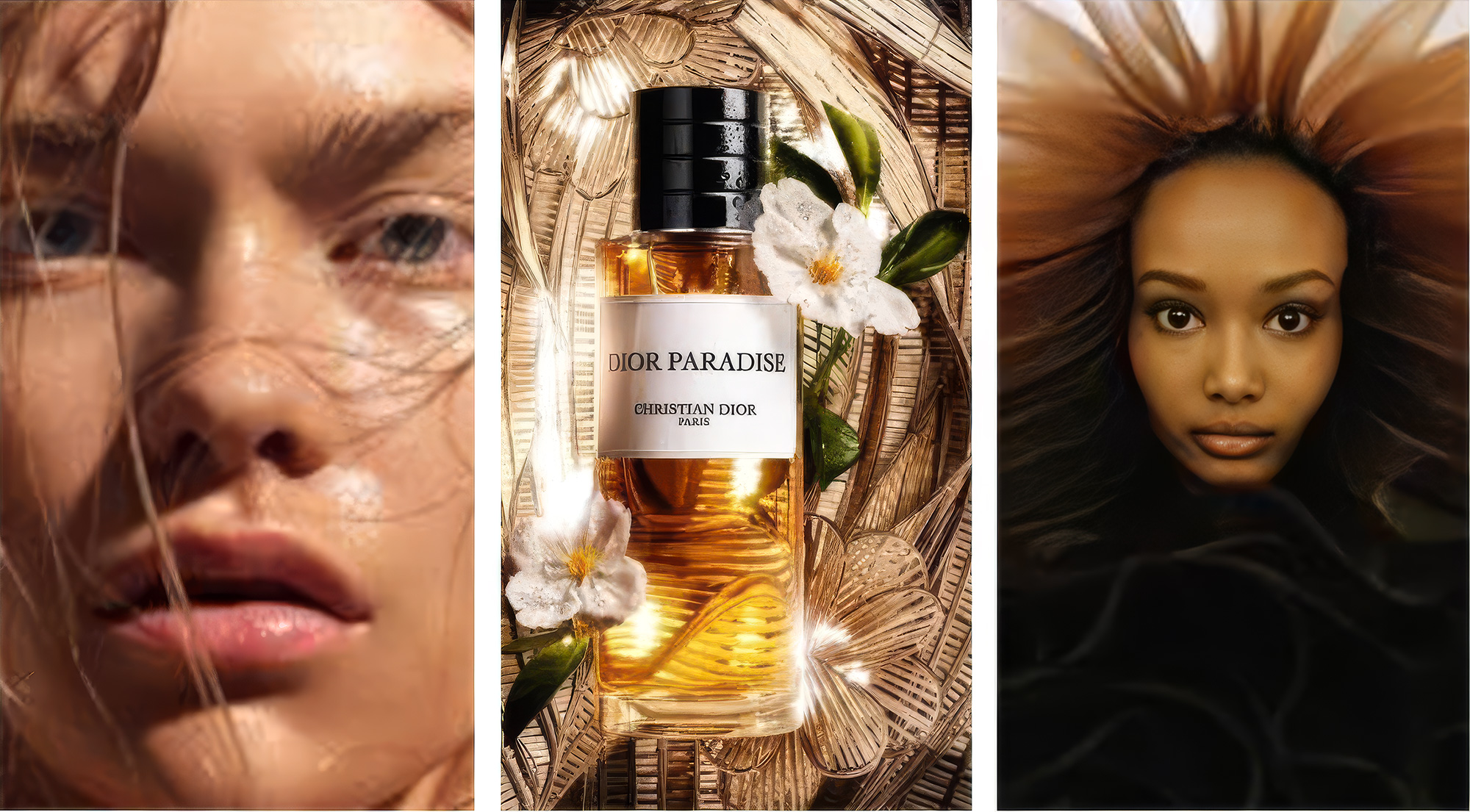
No category is moving faster than fragrance. The functional fragrance market — scent engineered to shift mood, lower stress, or sharpen focus — is forecast to grow from roughly $12 billion in 2026 to more than $20 billion by 2035. Research from fragrance house Givaudan has begun mapping direct neurological links between specific aromatic families and emotional states: citrus and herbal notes for alertness, warm woods and musks for calm, neroli for a measurable drop in anxiety.
The practical shift for luxury houses is in the brief itself. Perfumers are increasingly asked to design toward a physiological outcome — focus, calm, sleep, energy — not only a mood board of notes and inspiration. Expect the next generation of prestige fragrance to be marketed on how it makes someone feel, with the emotional claim held to the same evidentiary standard as a skincare claim.
4. Makeup Becomes Intelligent
Consumers still want glamour — they simply won’t trade skin health for it anymore. The hybrid makeup market, where color cosmetics deliver skincare actives like hyaluronic acid, peptides, and niacinamide in the same gesture, is projected to grow from roughly $7.4 billion in 2026 to over $14 billion by 2034. More than 65% of beauty buyers now say they prioritize skin health alongside aesthetics, and Sephora has already carved out permanent hybrid shelf space for brands like Ilia, Bobbi Brown, and Saie.
This is not a forecast — it’s already reflected in how retailers allocate shelf space today. Radiance has replaced perfection as the aesthetic standard, and luxury makeup will keep getting lighter, more adaptive, and more clinically credible.
5. Personalization Moves Beyond Marketing
For years, personalization meant an engraved lipstick or a custom foundation match. That bar has moved. Amorepacific’s AI diagnostic tools, trained on more than 450,000 skin cases, now trigger tailored treatment protocols through connected devices. Kiehl’s uses its in-store Derma-Reader to build full-face routines with its Skin Pros. Sephora’s AI Skin Diagnostic Tool is evolving toward incorporating lifestyle and even DNA data, with live dermatologist consultations planned for premium members.
But capability is outrunning trust, and luxury brands need to reckon with that gap directly. Consumer trust in AI with personal data actually fell this year — 52% now say they trust AI less than a human with their information, up from 48% — and more than half of women say they’d object to a brand leaning on purely AI-generated imagery. The opportunity is real, but it has to be built on explicit transparency about what data is collected, how it’s used, and where a human being remains in the loop.
6. Scientific Credibility Becomes the New Luxury
This is the deepest shift underway. Fifty-six percent of consumers now compare ingredient lists directly rather than trusting brand reputation alone, and a rising class of “skintellectuals” interrogate formulation details and clinical grading methods before they buy. Sophisticated consumers are no longer impressed by long ingredient lists or complex-sounding science — they want the underlying data, and they can spot performative science quickly.
Luxury is getting quieter and more confident as a result. Clinical validation, transparent testing, dermatologist partnerships, and measurable outcomes are replacing aspirational language. Trust is becoming the category’s most valuable — and most difficult to fake — currency.
7. Sustainability Matures Into Operating Discipline
Beautiful, recyclable packaging is no longer sufficient. Eighty-six percent of shoppers now want to know where ingredients are actually sourced, and the commercial stakes are concrete: brands with clear sourcing data see 15% higher repeat-purchase rates, while brand loyalty falls by half when practices are perceived as unsustainable. At the same time, 59% of consumers say they won’t trust a sustainability claim without clear evidence behind it — which is why the sustainable beauty market, valued near $22 billion in 2022, is expected to reach roughly $48 billion by 2027.
Sustainability is moving from campaign to infrastructure. It’s becoming less like a marketing message and more like a financial audit: brands don’t get extra credit for having it, but they lose credibility fast if they don’t.
The Human Experience Remains the Ultimate Luxury
Artificial intelligence will keep transforming diagnostics, retail, and personalization at scale. It will not replace the reason luxury exists in the first place. Luxury has always been about relationships, trust, and the feeling of being truly seen — and the trust data above suggests consumers are actively resisting brands that forget this. Technology should deepen those moments of human connection, not stand in for them.
The brands that lead in 2027 will pair genuine scientific and technological innovation with a level of hospitality that cannot be automated. That combination — evidence plus warmth — is the actual competitive moat.
Looking Ahead
Luxury beauty is entering one of its most demanding chapters. Consumers are asking harder questions and expecting more precise answers. They are investing not simply in products, but in health, confidence, longevity, and emotional well-being — and they now have the ingredient literacy and market data to know when a brand is falling short.
For brands, that is both the challenge and the opportunity. Luxury has never been defined by price alone. In 2027, it will be defined by credibility, personalization, emotional connection, and evidence of measurable value. That is where the future begins — and where the strongest brands will start building now.
Get Your Complimentary Brand Touch Assessment
See exactly where your brand stands against the shifts above. Request a complimentary Brand Touch Assessment from Lombardo Agency.